
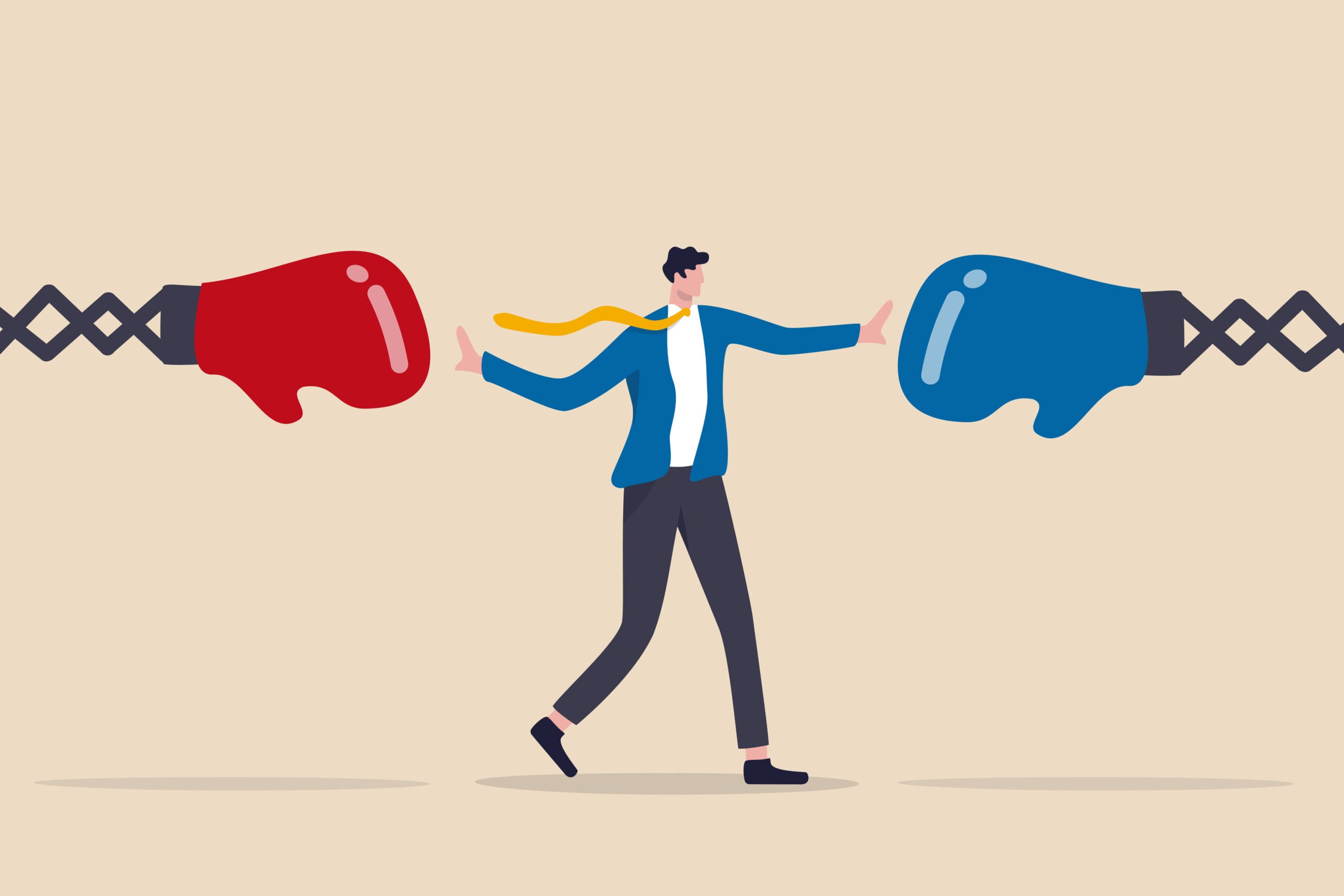
What Happens When Design Choices Conflict With Industry Norms
In design, pushing boundaries can lead to innovation—but it can also create friction when those choices stray from what users, clients, or industry stakeholders expect. Design choices that conflict with established norms don’t just spark debate; they can impact usability, credibility, and even legal compliance. Knowing when to follow the rules—and when to break them—is key to delivering effective, responsible design.
What Are Industry Norms in Design?
Industry norms refer to the widely accepted standards and best practices that shape how design teams build, evaluate, and collaborate. These norms include visual guidelines, accessibility rules, platform-specific conventions, and user behavior expectations. While they’re not laws, they act as benchmarks—helping ensure that design choices align with user needs, business goals, and broader market expectations.
Staying within these norms helps teams:
- Communicate clearly across departments
- Build consistent user experiences
- Avoid costly redesigns or compliance issues
But following norms too rigidly can also limit creativity. That’s where tension begins.
What Causes Design Conflicts with Industry Norms?
Design conflicts typically stem from one of three core issues:
1. Competing Design Philosophies
Not all designers view creativity the same way. Some prioritize visual innovation, while others value strict usability or conversion goals. When these mindsets clash, it can lead to friction—especially when design choices feel too radical or too conservative for the team.
Strong collaboration, active listening, and stakeholder alignment can turn these moments into productive discussions rather than roadblocks.
2. Pressure to Stand Out
The push to “disrupt” can drive designers to break with convention—even when doing so may compromise function. A unique design may win awards, but if it confuses users or breaks accessibility rules, the cost may outweigh the benefit.
Design choices should aim to differentiate without alienating the user or undermining usability.
3. Lack of Awareness
Sometimes, conflicts happen because a designer simply isn’t aware of certain industry expectations. This is common among newer professionals or teams working across unfamiliar domains. Without proper research, even well-intentioned choices can backfire.
What Happens When Design Choices Break Industry Norms
Breaking from norms can be risky—especially when the impact is misunderstood or ignored. Some key consequences include:
Loss of Stakeholder Trust
Designs that ignore client expectations or user behaviors can appear careless or misaligned. If stakeholders feel left out of the process, they may lose confidence in the project, even if the work is technically strong.
Negative Peer Feedback
Design that feels “off-brand” or poorly executed can lead to criticism from industry peers, especially when published in high-visibility spaces. This scrutiny can damage a designer’s reputation, but it can also be a learning opportunity.
Legal or Compliance Risks
In regulated industries—like healthcare, finance, or government—ignoring accessibility, safety, or branding guidelines can trigger legal consequences. This is where design choices cross from creative conflict into compliance failure.
How to Navigate Design Choices That Challenge the Norm
Striking the right balance between innovation and expectation requires intentional strategy:
1. Research Industry Standards
Before proposing bold design choices, understand the baseline. Use industry reports, platform-specific guidelines, accessibility laws, and competitor analysis to ground your decisions.
2. Consider the User
User-centered design is the most effective safeguard against risky or irrelevant ideas. Prioritize usability testing, feedback loops, and persona research to ensure your design choices support—not confuse—your target audience.
3. Collaborate with Stakeholders
Stakeholder alignment is just as important as design vision. Involve clients, developers, legal teams, and marketers early. Understand their concerns, gather input, and document design rationale to reduce friction later in the process.
4. Learn from Past Conflicts
Review high-profile design missteps (like Gap’s failed 2010 logo redesign or Pepsi’s controversial rebranding) to understand how breaking norms can succeed—or fail. Use case studies to inform future decisions and mitigate similar risks.
Conclusion: Balance Creativity with Context
Design choices that push against industry norms aren’t inherently bad—but they require strong justification, smart communication, and a deep understanding of both users and stakeholders. Innovation thrives when it respects the context it lives in.
Great design doesn’t ignore norms—it redefines them, carefully and deliberately.