
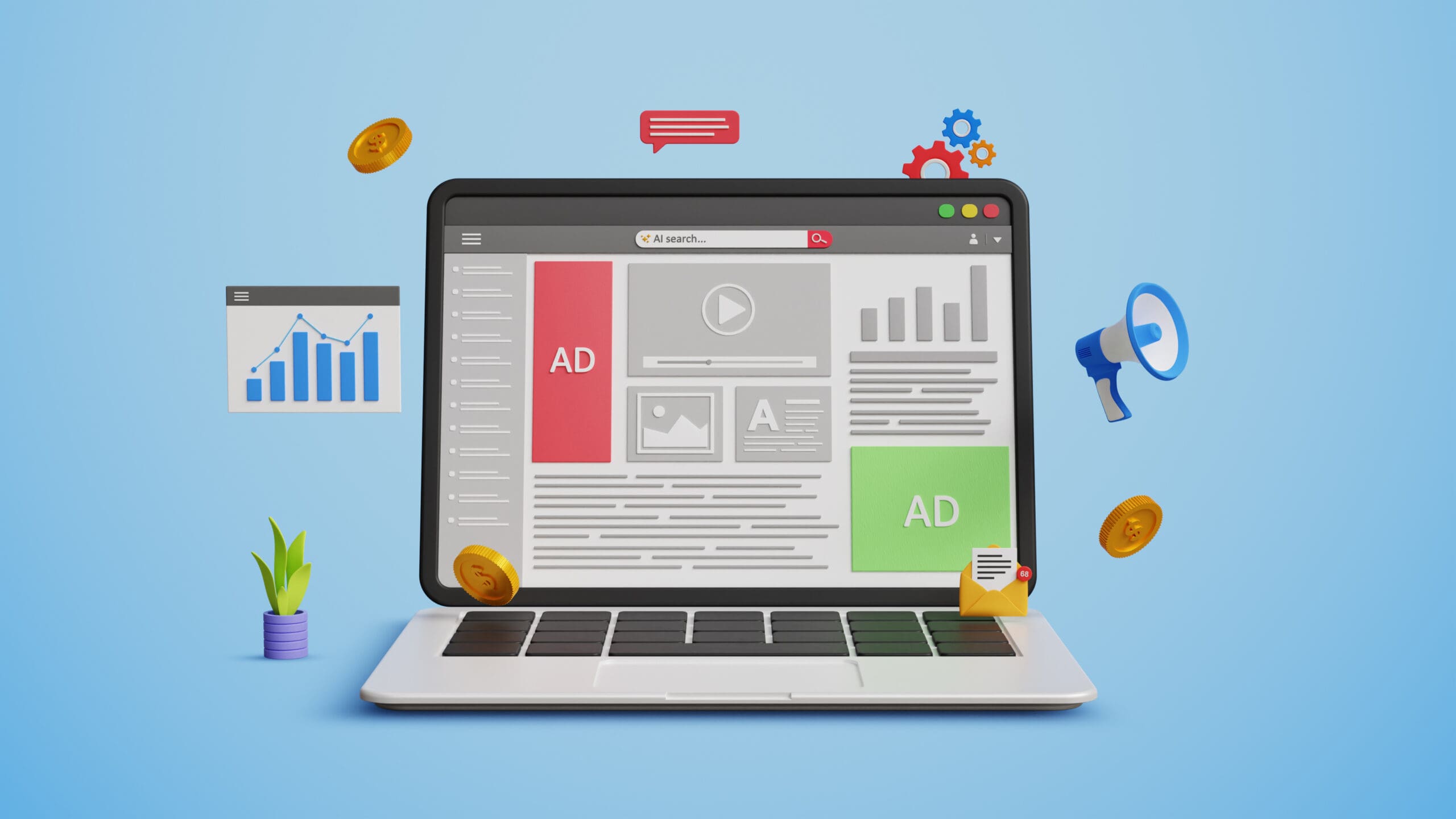
Why Professional Web Design Matters Before Running Paid Ads
Running paid ads without first investing in professional web design is like inviting customers into a store with broken lighting and cluttered aisles. You can spend heavily to get people in the door, but if what they see doesn’t inspire trust, they won’t stay—or buy.
Professional web design isn’t just about aesthetics. It creates the foundation that determines whether your advertising spend turns into measurable results or wasted clicks. Let’s break down why your website design must be prioritized before running any paid campaigns.
What Is Professional Web Design?
Professional web design combines visual appeal, usability, and performance. It’s not just about making a website look attractive—it’s about creating a space where visitors feel confident engaging with your business.
Key elements include:
- Visual identity: Clean design, consistent branding, and thoughtful use of color and typography.
- Usability: Intuitive navigation and content layout that guide visitors effortlessly.
- Responsiveness: Seamless performance across desktop, tablet, and mobile.
- Optimization: Fast loading speeds and SEO-friendly structure that keep users engaged.
A professionally designed website makes the first impression for your brand. In a competitive digital marketplace, it can be the difference between a visitor bouncing immediately or exploring further.
Why It Matters Before Running Paid Ads
Paid ads are designed to bring people to your website. But if the destination doesn’t deliver, the investment won’t pay off. Imagine clicking on an ad for a product you’re interested in—only to land on a slow, cluttered site where you can’t figure out how to buy. Most people won’t try again.
Professional design ensures that when visitors arrive, they encounter:
- Trustworthiness: A polished look that signals professionalism.
- Clarity: Clear messaging and calls-to-action that align with the promise of the ad.
- Ease of use: Quick loading times and a seamless path to conversion.
Without these, paid ads may drive traffic, but not results.
How Web Design Shapes Ad Performance
The link between design and advertising performance is direct. Good design creates an environment where ads work harder; poor design undermines even the best ad campaign.
- Navigation: If people can’t find what they came for, they leave. Simple menus and obvious pathways reduce drop-offs.
- Calls-to-action (CTAs): Clear, strategically placed buttons (like “Book Now” or “Get Started”) can double or even triple conversion rates.
- Consistency: Colors, fonts, and messaging that match the ad’s promise build trust instantly.
- Whitespace: Clean layouts highlight key messages and ad elements without overwhelming the user.
- Responsiveness: With mobile ad traffic growing, mobile-friendly pages are no longer optional—they’re mandatory.
The design of your landing page often determines whether your paid ads generate ROI or waste budget.
Impact on User Experience
User experience (UX) is at the heart of reputation and conversion. A well-designed website does more than just look good—it makes visitors feel valued.
- Accessibility: Sites that account for all users, including those with disabilities, expand reach and trust.
- Content flow: Organized layouts help people quickly understand what you offer.
- Speed: Pages that load in under three seconds dramatically increase engagement.
- Trust cues: Professional visuals, testimonials, and consistent branding signal credibility.
A positive user experience ensures that people clicking on your ads don’t just arrive—they stay, explore, and convert.
Key Elements That Boost Paid Ad Success
To maximize the effectiveness of paid ads, your website should include:
- Clear branding that reinforces recognition.
- User-friendly navigation so visitors can find answers quickly.
- Responsive design to ensure consistency across devices.
- High-quality visuals that reflect brand identity.
- Strategic CTAs that guide users to take action.
- Fast loading speed to prevent costly drop-offs.
- Relevant content that aligns with your ads and keeps visitors engaged.
- Optimized landing pages that directly reflect the ad message.
These elements create the seamless journey that transforms ad clicks into conversions.
Benefits of Professional Web Design Before Ads
- Higher conversion rates: Visitors are more likely to act when the site feels trustworthy and easy to use.
- Better brand image: A polished website conveys professionalism and reliability.
- Improved engagement: Users stay longer, view more pages, and interact more.
- Increased credibility: A site that works well across devices builds confidence.
- SEO advantages: Search-friendly design attracts organic traffic to complement your paid campaigns.
The Risks of Skipping Professional Web Design
- Poor ad performance: High bounce rates waste your ad spend.
- Negative user experience: Frustration drives customers to competitors.
- Lower conversions: Visitors don’t take the next step if CTAs are hidden or unclear.
- Damaged brand image: An outdated or clunky site suggests a lack of professionalism.
In short, ads can only perform as well as the landing page they point to.
Final Thoughts
Running paid ads without first ensuring your website is professionally designed is like building a billboard that points to an abandoned storefront. People may notice you, but they won’t stick around.
Investing in web design before running ads is not just about aesthetics—it’s about building trust, improving usability, and creating a path to conversion. Businesses that prioritize design first see better ad performance, stronger reputations, and more sustainable growth.