
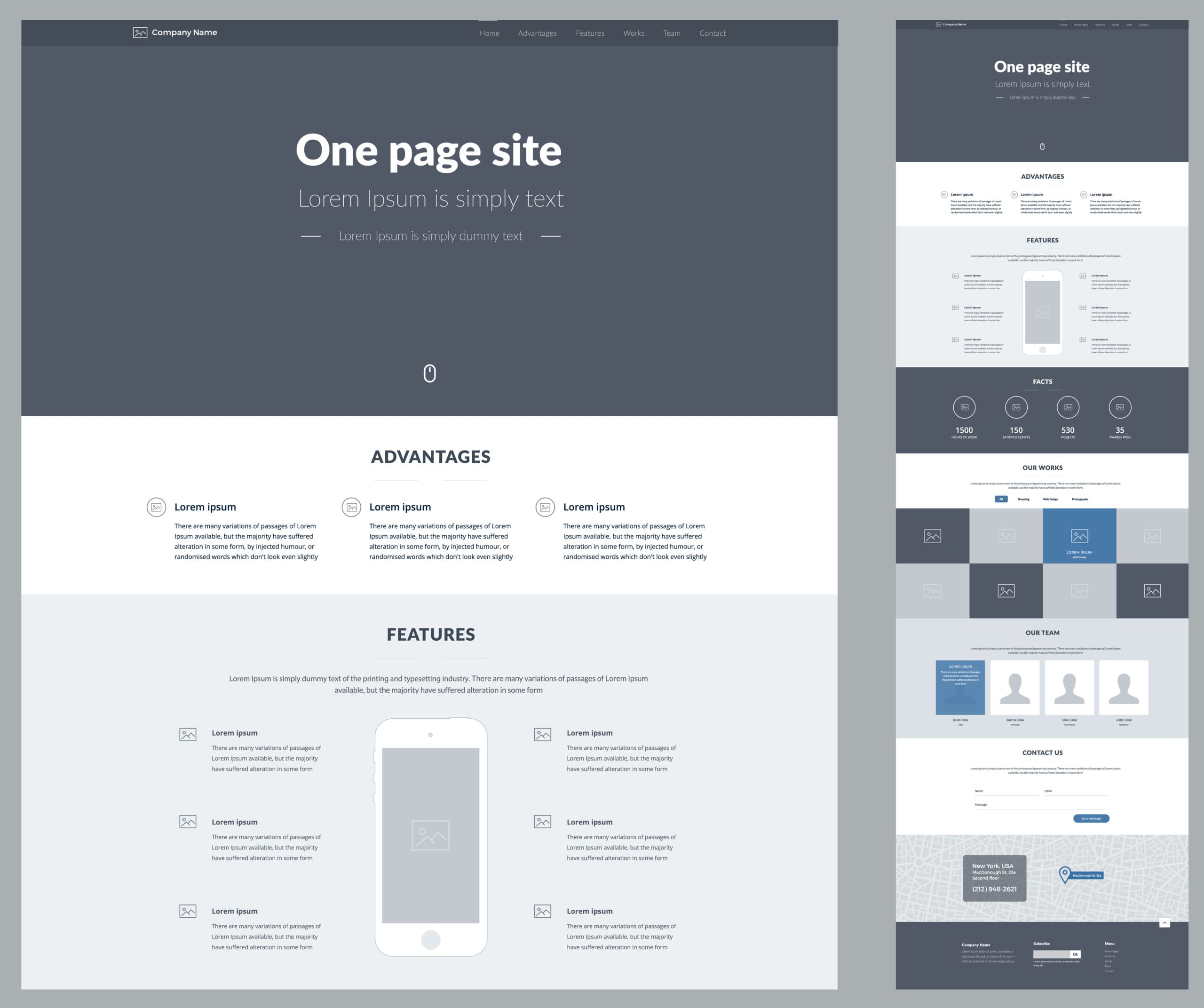
Why Google Doesn’t Trust One-Page Websites
One-page websites are popular because they’re simple. Everything lives on one scrolling page — your brand, your services, your contact info. They’re easy to design, quick to launch, and look clean. For freelancers, portfolio sites, event pages, or small businesses just getting started, a one-page format can feel like a perfect fit.
But there’s one major issue:
Google often doesn’t trust one-page websites.
And when Google doesn’t trust a site, it doesn’t rank it — which means people searching for you may never find you.
Why One-Page Sites Struggle in Search
Google relies on content depth, structure, and signals of credibility to understand what a website is about and whether it should be shown to searchers. A single-page website simply doesn’t give Google much to work with.
Here’s what that means in practice:
1. Limited Content Means Limited Understanding
Since everything sits on one page, there’s very little room to cover topics in depth. Google can’t easily determine:
- What you specialize in
- Who you serve
- Why your business is credible
- Whether you are the same business people may already be searching for
Without that clarity, Google gets cautious — and cautious usually means lower rankings.
2. No Clear Structure to Follow
Multi-page sites break topics into separate pages — like “About,” “Services,” “FAQ,” “Contact.”
That structure acts like a map.
With a one-page site, there is no map — just one long section of content.
Google has to guess which part is most important, and guesses rarely lead to strong rankings.
3. Few Opportunities to Build Trust Signals
Google looks for indicators that a site is legitimate and maintained, such as:
- Internal links between pages
- Articles or resources that show expertise
- Multiple indexed URLs over time
A one-page site doesn’t generate these trust signals — even if the business behind it is trustworthy.
The Real World Impact
If your one-page website doesn’t earn Google’s trust, your business is harder to find. This can affect:
- Customer inquiries
- Search visibility for your name
- How your business appears in local results
And if you’re dealing with mugshot exposure or online reputation issues, this matters even more.
When positive content is limited, negative content — such as a mugshot — rises to the top by default.
One-page websites make it harder to push down unwanted results, because there simply isn’t enough content to offset them.
Can a One-Page Website Rank Well?
Yes — but only when it’s done intentionally.
A one-page site needs:
- Clear messaging that answers real questions
- Enough written content for Google to understand your value
- A strong headline and sub-headline structure
- Fast loading performance and mobile responsiveness
- Links from credible websites (not just social media profiles)
Most one-page sites fall short because they prioritize design over clarity.
When a One-Page Site Makes Sense
A one-page format works best when:
- You are promoting a single event
- You need a temporary landing page
- You don’t need deep search visibility yet
It works less well when:
- You want steady traffic from Google
- You need to rank for multiple keywords
- You’re trying to build a professional online reputation
What to Do If You Already Have a One-Page Website
You don’t need to rebuild everything right away. Start here:
- Add one or two new pages (About / Services is usually enough to start).
- Write short, clear explanations of what you do and who you serve.
- Add your city, industry, and specialty in your wording — naturally.
- Make sure you have a clear contact section that looks legitimate.
- Update your Google Business Profile, if applicable.
- Add your website link to your email signatures and social profiles to reinforce identity.
Small changes can help Google understand:
- Who you are
- Why your site exists
- Why people should trust you
The Bottom Line
Google doesn’t distrust one-page websites because they are “bad.”
It’s because they don’t provide enough information for Google to evaluate credibility.
If your goal is visibility, growth, or reputation protection, you’ll need more than a beautifully designed scrolling page — you’ll need a site that tells your story clearly and fully.
The good news?
You don’t need to rebuild everything from scratch.
You just need to give Google more to work with.