
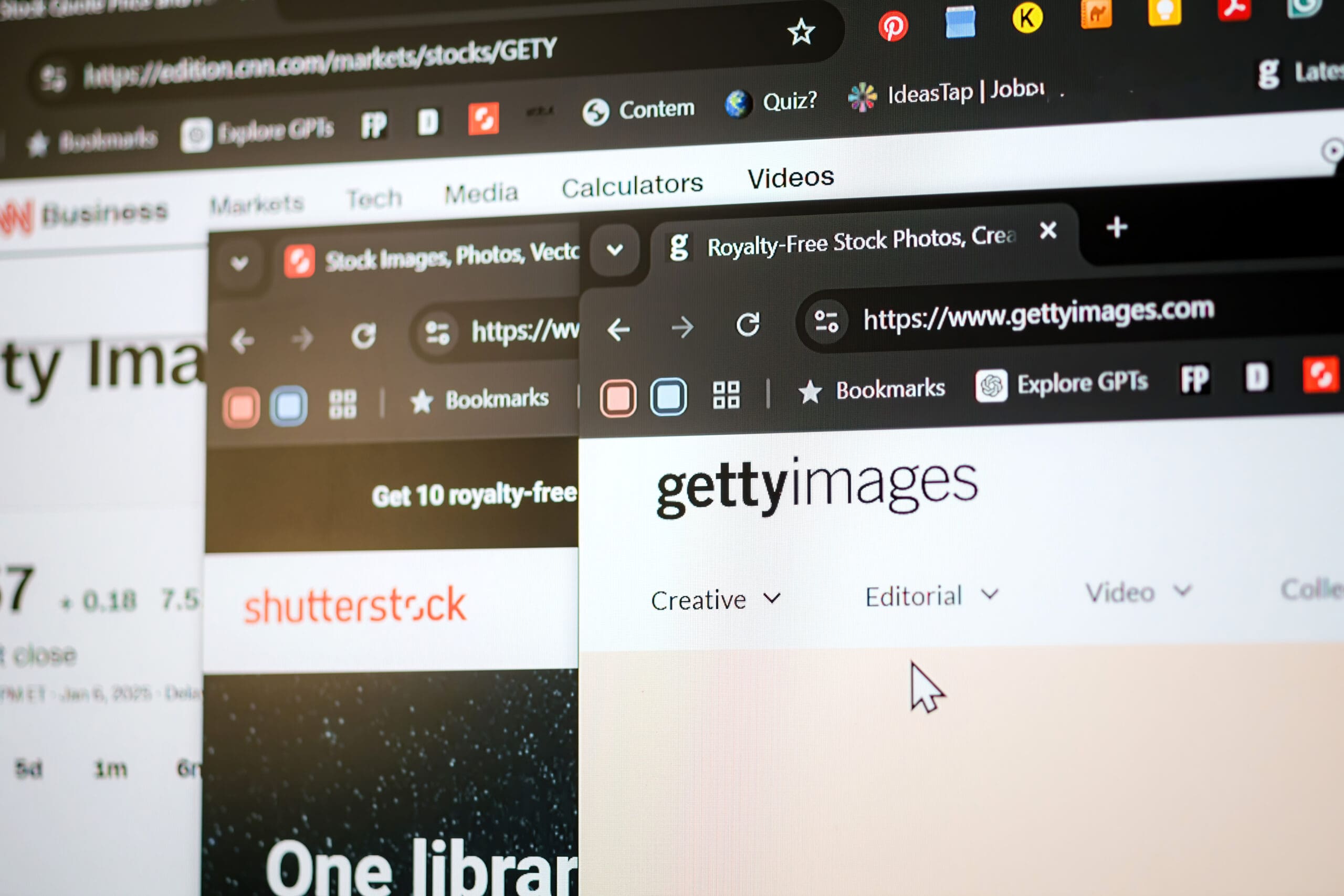
Why Overused Stock Photos Are Hurting Search Trust Signals
If your website relies on the same smiling office team and handshake photos everyone else uses, it may be doing more harm than good. These images are easy to spot, and today’s users recognize them instantly. When visitors see visuals they’ve already seen across dozens of other sites, it creates doubt. And doubt is one of the fastest ways to weaken trust.
Search engines notice this, too. They look for real signals of credibility, and your visuals are part of that evaluation. Overused stock photos send the opposite message: This could be anyone. And when trust goes down, engagement drops. Lower engagement eventually affects rankings.
What Are Stock Photos?
Stock photos are pre-made images that companies use instead of creating their own. They’re convenient and widely available. The issue isn’t that stock photos exist — the issue is when the same images appear everywhere. When visuals feel generic, the brand behind them feels generic, too.
People look at a website to understand who you are. If your visuals don’t help answer that, they work against you.
How This Damages Trust
Google uses trust signals — often referred to as E-E-A-T (Experience, Expertise, Authoritativeness, Trustworthiness) — to evaluate whether content is credible. Generic visuals don’t support those signals.
Overused stock photos:
- Make your business feel interchangeable
- Reduce perceived authenticity
- Create doubt around your claims and testimonials
- Make your website feel less reliable and less human
Users may not phrase it this way — they just feel that something is off.
And when something feels off, people click away.
How It Shows Up in Engagement
Sites that rely heavily on generic visuals often see:
- Higher bounce rates
- Shorter time spent on page
- Fewer conversions or inquiries
- Lower click-through rates on search results
Trust isn’t always lost loudly — sometimes it’s lost quietly, through disengagement.
How Search Engines Recognize Generic Images
Search engines can now analyze images directly. They can detect when:
- The same image has been used across many unrelated sites
- The image does not match the content around it
- The image doesn’t help the user understand anything meaningful
When this happens, the page simply looks less helpful.
And Google is built to reward helpful.
The SEO Impact
When trust and engagement drop, rankings tend to follow. This usually happens slowly, not overnight — but it’s noticeable:
- Fewer keywords hold strong positions
- Search impressions decline
- Pages stop gaining backlinks
- Overall visibility weakens
The visuals are not the only cause — but they are a visible, fixable contributor.
Better Alternatives
You don’t need elaborate production to improve your visuals.
Simple, real imagery works best:
- Your actual team
- Your actual office or workspace
- Real customers (with permission)
- Photos of your process or product in use
- Lightly branded AI-generated images created intentionally for your brand
Even imperfect real photos are more trustworthy than a perfect stock photo.
How to Optimize Images for Trust and SEO
When adding images, keep these simple habits:
- Use clear, descriptive file names (not default camera or stock library names)
- Add alt text that simply describes what the image shows
- Compress images to reduce load time
- Make sure every image supports the message, instead of just filling space
Small improvements add up fast.
The Bottom Line
If your visuals could belong to any company, they won’t help yours.
Authentic images communicate identity, care, and credibility. They show that real people stand behind the words on the page — and that’s what search engines and users respond to.
Original wins. Generic blends in.
Trust is built through what feels real.